
Poland’s climate is temperate continental, with characteristics that set it distinctly apart from the Mediterranean climate familiar to many southern European visitors. Summers are warm and sunny, winters are cold and often snowy, whilst spring and autumn are brief but pleasant. The variations between seasons are pronounced and significantly influence your travel experience: the same Cracovia that in July hosts tourists amid bustling squares and crowded outdoor cafés transforms in January into a silent city blanketed in snow, with a completely different yet equally compelling charm.
Poland’s geographical position — at the centre of Europe, without significant natural barriers to the east — exposes the country to continental currents from Russia, which bring dry cold in winter, and Atlantic air masses arriving from the west, milder and more humid. This means meteorological conditions can shift rapidly and long-term forecasts are less reliable than for destinations with more stable climates. The golden rule is simple: whenever you travel, always pack one extra layer of clothing beyond what you think you’ll need.
Climate variations between regions are significant. The north, facing the Baltic Sea, has cooler summers and less severe winters than the interior thanks to maritime influence. The centre — home to Warsaw and Łódź — experiences the largest temperature swings between summer and winter. The south, with the Tatra Mountains and the Lower Silesian Alps, has alpine climates at higher elevations, with abundant snow from November to April and temperatures that can plunge well below -15°C on the coldest nights.
For those wanting to explore historic cities — Warsaw, Krakow, Wrocław, Gdańsk — the ideal period runs from May to September, with May and September as the best choices for those wanting to avoid the summer crowds of July and August. Spring and early autumn offer the best balance between pleasant weather, open attractions and reasonable accommodation prices.
For skiing and winter sports in the Tatra Mountains, the optimal season runs from December to March, with January and February offering the most reliable snow cover. Zakopane is Poland’s principal ski resort and offers suitable facilities for intermediate skiers; for beginners it’s also ideal thanks to lesson and rental prices significantly lower than Western Alpine resorts.
For exploring the Masuria lakes and Baltic seaside tourism, the best period is July and August, when water temperatures reach 18–22°C and daylight hours are longest. Poland’s Baltic beaches — pale, fine sand stretching for hundreds of kilometres — rank among northern Europe’s finest, though they primarily attract domestic tourism: outside the summer season, beach facilities close almost entirely.
Those wanting to visit Poland during the Christmas markets should plan their trip for the second half of November and the first three weeks of December: the markets typically open around the last week of November and close on 23 or 24 December. Book accommodation well in advance, especially in Krakow, where demand during this period often exceeds available supply.

January is statistically the coldest month of the year across Poland. Average temperatures in Warsaw hover between -5°C and +1°C, with night-time lows that during continental cold snaps can plunge to -15°C or beyond. Krakow’s averages are slightly milder thanks to protection from the Tatra Mountains to the south, but the difference is only a few degrees. Snow cover is frequent in central and northern cities, whilst in the south it’s virtually guaranteed: in the Tatra Mountains, Zakopane and surrounding ski stations receive an average of 80–120 cm of snow across the winter season.
February brings the same conditions as January, with occasional thawing signals towards the end of the month. It’s not a month to avoid for travellers seeking an authentic winter experience: Warsaw and Krakow’s historic centres under snow have undeniable charm, museums are accessible without queues and accommodation prices are at their annual low. Pack waterproof boots with anti-slip soles and a proper winter coat, not a lightweight windbreaker.

March is an unpredictable transitional month. Average temperatures reach 0°C to +8°C during the day, but night-time frosts remain frequent and late snowfalls are not uncommon through month’s end, especially in central and eastern regions. Snow melts progressively in the cities but persists in the mountains, where the ski season extends into late April.
April is the first month when spring becomes credible: daytime temperatures in Warsaw average around 12–15°C, parks fill with blooms and café terraces begin to bustle on sunny days. Spring rains are frequent and skies changeable: carry a compact umbrella throughout the month. It’s a good time to visit cities without summer crowds, at still-modest prices.

May is widely considered one of the best months to visit Poland. Average temperatures range between 13°C and 20°C, days are long — sunset comes around 20:30 — and vegetation is at its freshest. Spring rains continue but concentrate in brief afternoon showers that give way to clear skies for the rest of the day. Krakow, with its flowered parks and medieval atmosphere, is particularly beautiful at this time.
June brings warmer temperatures, averaging 17°C to 24°C, with days during early heat waves potentially reaching 30°C. It’s the month when Polish cities buzz with cultural events, festivals and outdoor concerts: Krakow’s Wianki — the traditional summer solstice celebration on the Vistula river — falls in June and is one of the country’s most evocative folkloric events. Accommodation bookings become harder at major destinations: plan ahead.
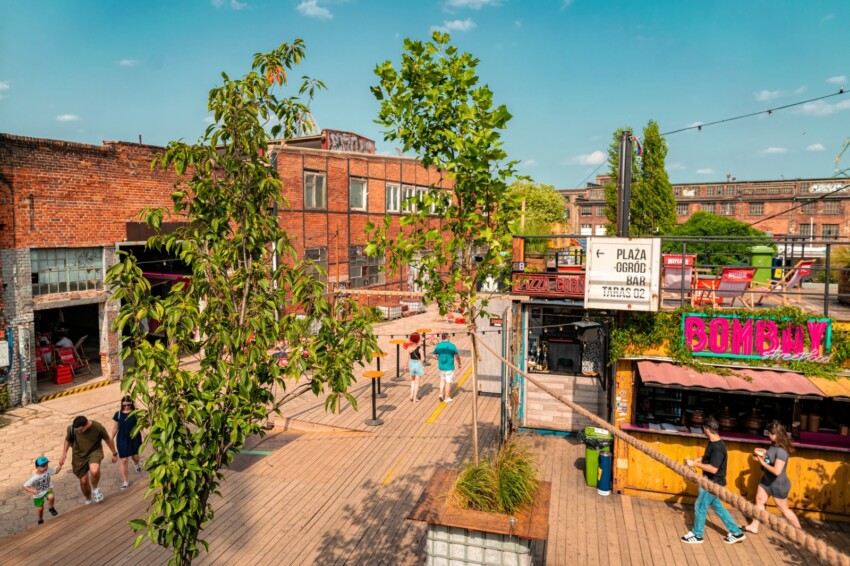
July is Poland’s hottest month, with average temperatures between 18°C and 26°C and peaks that during heat waves — increasingly frequent in recent years due to climate change — exceed 35°C in the central plains. It’s peak summer tourism season: the Baltic beaches of Sopot, Gdańsk and Kołobrzeg become crowded, Masuria’s lakes fill with sailing boats and Tatra trails see thousands of hikers daily.
August maintains July’s temperatures and marks the season’s highest tourist intensity. Summer thunderstorms are frequent and can be severe, especially in the mountains: if hiking the Tatras, always check local weather forecasts before setting out and remember that conditions can change rapidly even in summer. For city lovers, August is when many residents holiday and the atmosphere feels more relaxed, though prices remain high.
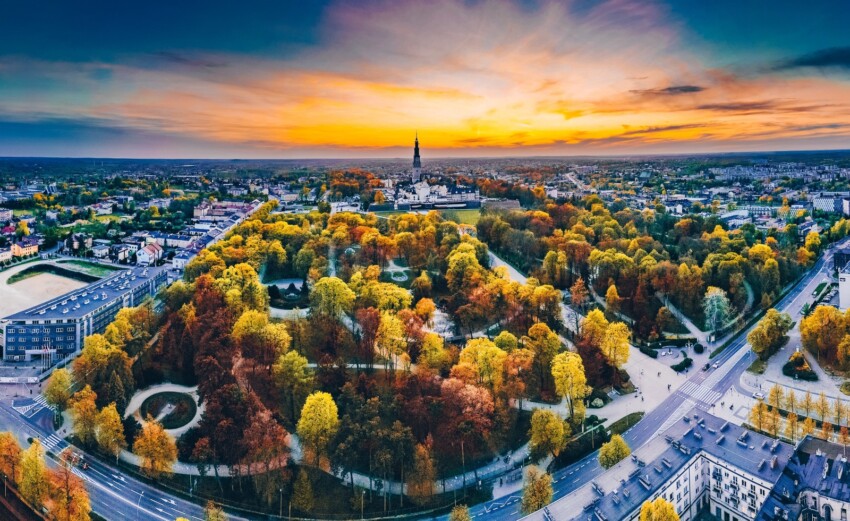
September is the year’s second-best month to visit Poland, perhaps the finest for those drawn to melancholic atmospheres and warm colours. Temperatures ease gently to 13–20°C, summer crowds thin, accommodation prices drop and Masuria’s and the Carpathians’ forests turn red, orange and gold. It’s also the season for harvest festivals and food celebrations in rural areas: honey fairs, apple festivals and wild mushroom markets enliven smaller-city marketplaces.
October brings a sharper temperature drop, averaging 7°C to 14°C with the first cold nights. Days often remain sunny in the first half — Poland’s equivalent of Indian summer — but from the second half rain increases and skies turn greyer. The Tatra Mountains are spectacular with autumn foliage through mid-October; afterwards, early frosts and snow at higher elevations make upper trails slippery and require proper equipment.

November is the year’s least hospitable month climatically: temperatures between 2°C and 8°C, overcast skies most of the time, frequent rain and rapidly shortening days. It holds little appeal from a tourism perspective, but those choosing November to visit Warsaw or Krakow find museums and attractions queue-free and an authentic glimpse of Polish city life beyond summer tourism rhythms.
December shifts tone from mid-month, when Christmas markets transform Polish cities’ main squares into enchanted scenes. Krakow’s market in Rynek Główny ranks among Europe’s finest. Temperatures average -3°C to +3°C and snow is possible any time. If visiting Poland in December, dress for genuine winter: thermal layers, heavy coat, gloves and hat are not optional.
Below are the weather forecasts for the next days for the main tourist destinations.
 Hotel
Hotel  Budget accommodations
  Apartments
  Family Hotel
  Luxury Hotel