Poland Entry Requirements: Visa, Passport and Travel Documents
Identity Card or Passport? A Handy Guide to the Documents You Need to Enter Poland, Rules for Minors and What to Do If Yours Is Lost or Stolen.
Planning a trip to Poland means preparing yourself to discover a country that surprises you at every turn: medieval cities meticulously reconstructed after the devastation of war, quiet countryside dotted with castles, Masuria’s seemingly endless lakes, and a capital, Warsaw, that has reinvented itself in extraordinary fashion. To make the most of this experience, it’s useful to familiarise yourself with some practical information that will make your stay smoother and more enjoyable.
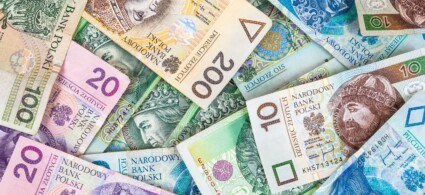
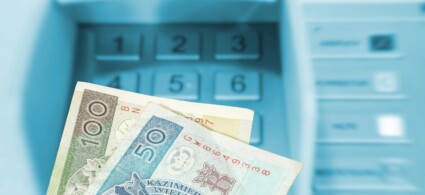
The first thing to check is the documentation required for entry: Poland is part of the European Union and the Schengen Area, so European citizens can enter with just a valid identity card, without a passport or visa, regardless of how long you’re staying. Check the expiry date well in advance and remember that a driving licence is not a valid travel document. Poland is not yet part of the eurozone: the official currency is the Polish złoty (PLN), which you can obtain at ATMs in local banks or at Kantor, the private exchange offices found in every city. Avoid those at airports and train stations, where rates are less favourable, and always decline dynamic currency conversion (DCC) at card terminals when paying.
The climate is continental, with warm, sunny summers (July and August are the best months to visit the cities and Masuria’s lakes) and cold, snowy winters, particularly harsh in mountainous regions like the Tatra Mountains. May, June and September offer pleasant temperatures, long daylight hours and fewer crowds than the summer peak. If you visit Poland in winter, Kraków and Warsaw are transformed by Christmas markets and a particularly atmospheric ambiance, but prepare yourself for temperatures that can drop below -10 °C.
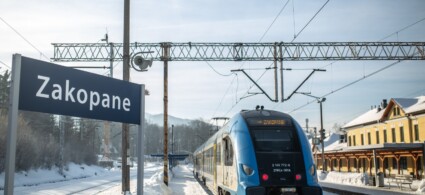
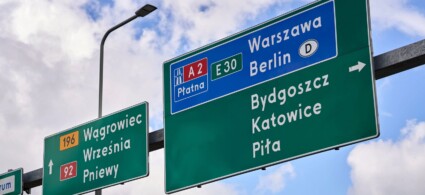
Getting around Poland is convenient and affordable thanks to a well-developed transport network. PKP Intercity trains connect major cities with frequent services and reasonable fares: the high-speed EIP train covers the Warsaw–Kraków route in just over two hours. In cities, tram and bus networks are efficient and the Jakdojade app simplifies planning any journey with real-time timetables and direct ticket purchasing. To explore all these aspects further, consult our guide on how to get around Poland. For exploring rural areas, Masuria’s lakes or natural parks, car hire remains the most flexible choice.
Don’t leave Poland without having sampled its traditional cuisine: pierogi filled with potato and cheese or sauerkraut and mushrooms, żurek — the sour rye soup with sausage and egg — and hearty bigos of meat and sauerkraut are the signature dishes of a gastronomic tradition that’s still little known abroad but capable of delighting. To eat like a local for less than five euros, seek out the Bar Mleczny, the workers’ cafés that survived the socialist era and serve hot, generous meals in cities throughout the country. Polish is the official language, but in major cities and tourist facilities communicating in English is never a problem.
Since Poland is part of the European Union, your European Health Insurance Card (EHIC) is valid for access to public healthcare facilities. However, private clinics — often faster and with multilingual staff — are not covered by the card: we recommend taking out supplementary travel insurance that covers expenses at private facilities, medical repatriation and possible trip cancellation.





 Hotel
Hotel  Budget accommodations
  Apartments
  Family Hotel
  Luxury Hotel